I am not one to fingerpoint often, but is this normal? (Gibby LP content inside)

BahamaDada

Roadie
Messages
759
Today I was at a local store and looked at a Gibson LP (Studio, IIRC?).

1000074833.jpg

1000074834.jpg

Is this normal for entry tier Gibsons these days? I am sure I could do just as well with a brush and a foam roller (not kidding).

To give it some respect: I played it for quite some time and it felt pretty good, so there's that.
 
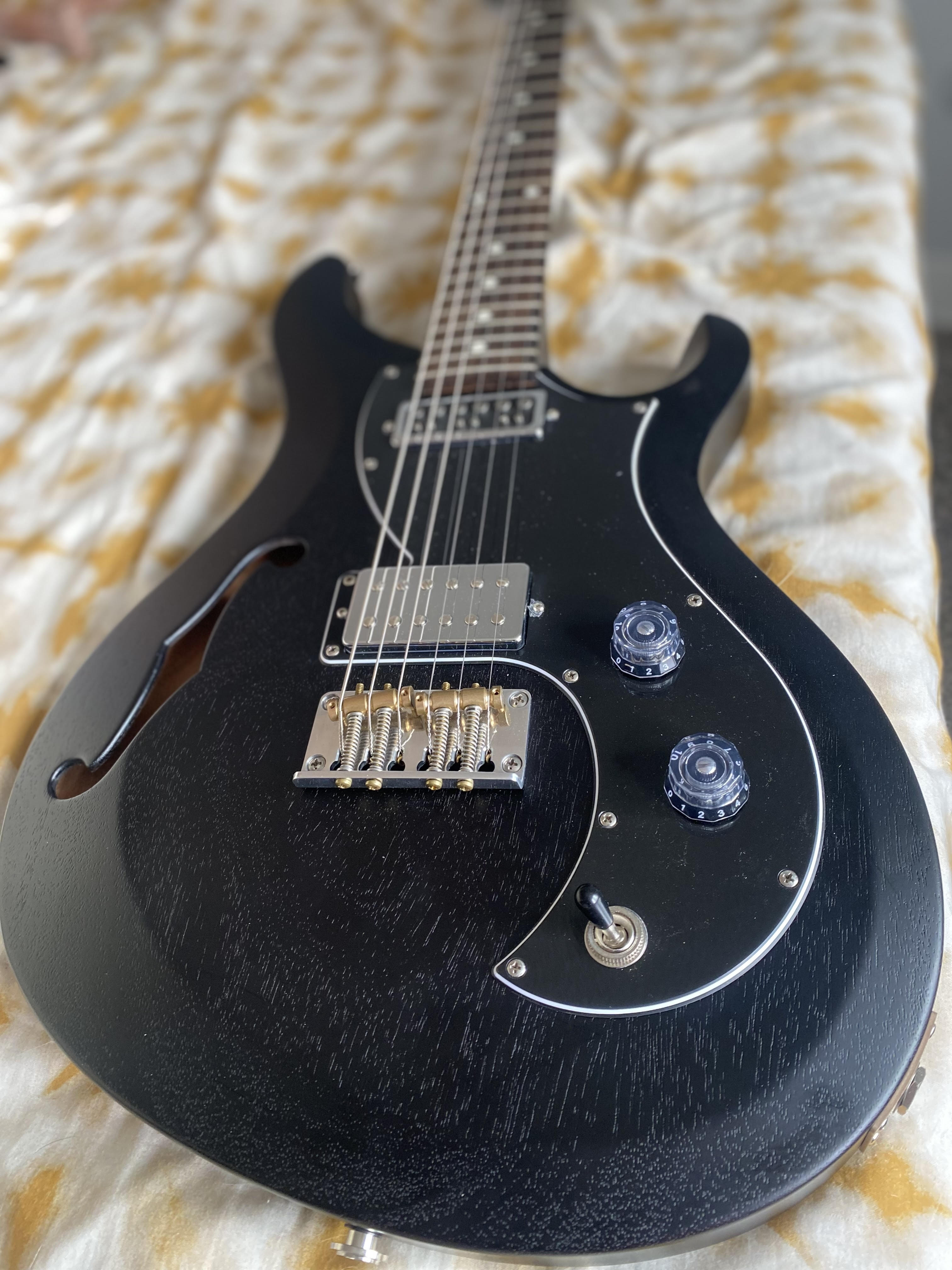
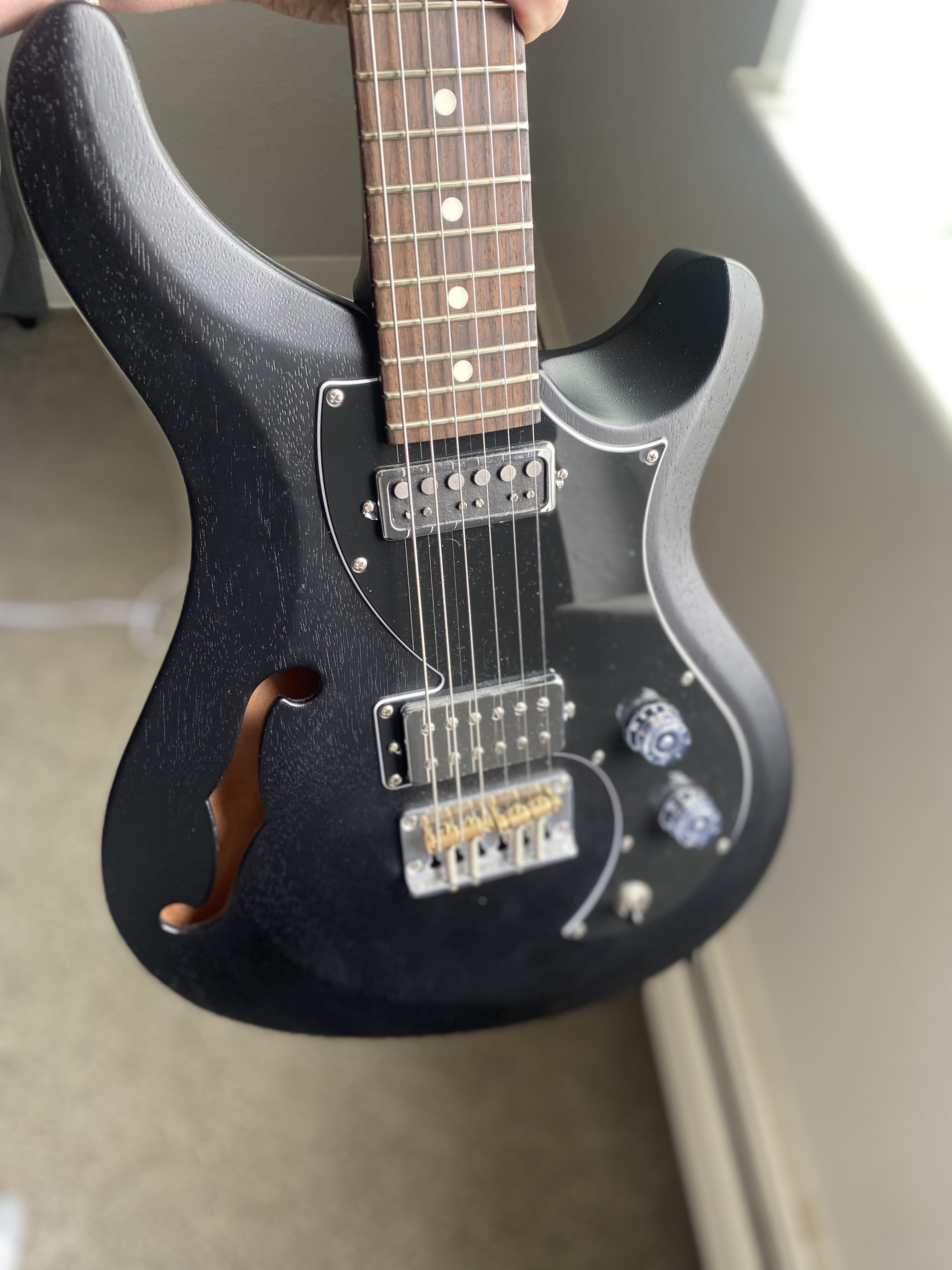
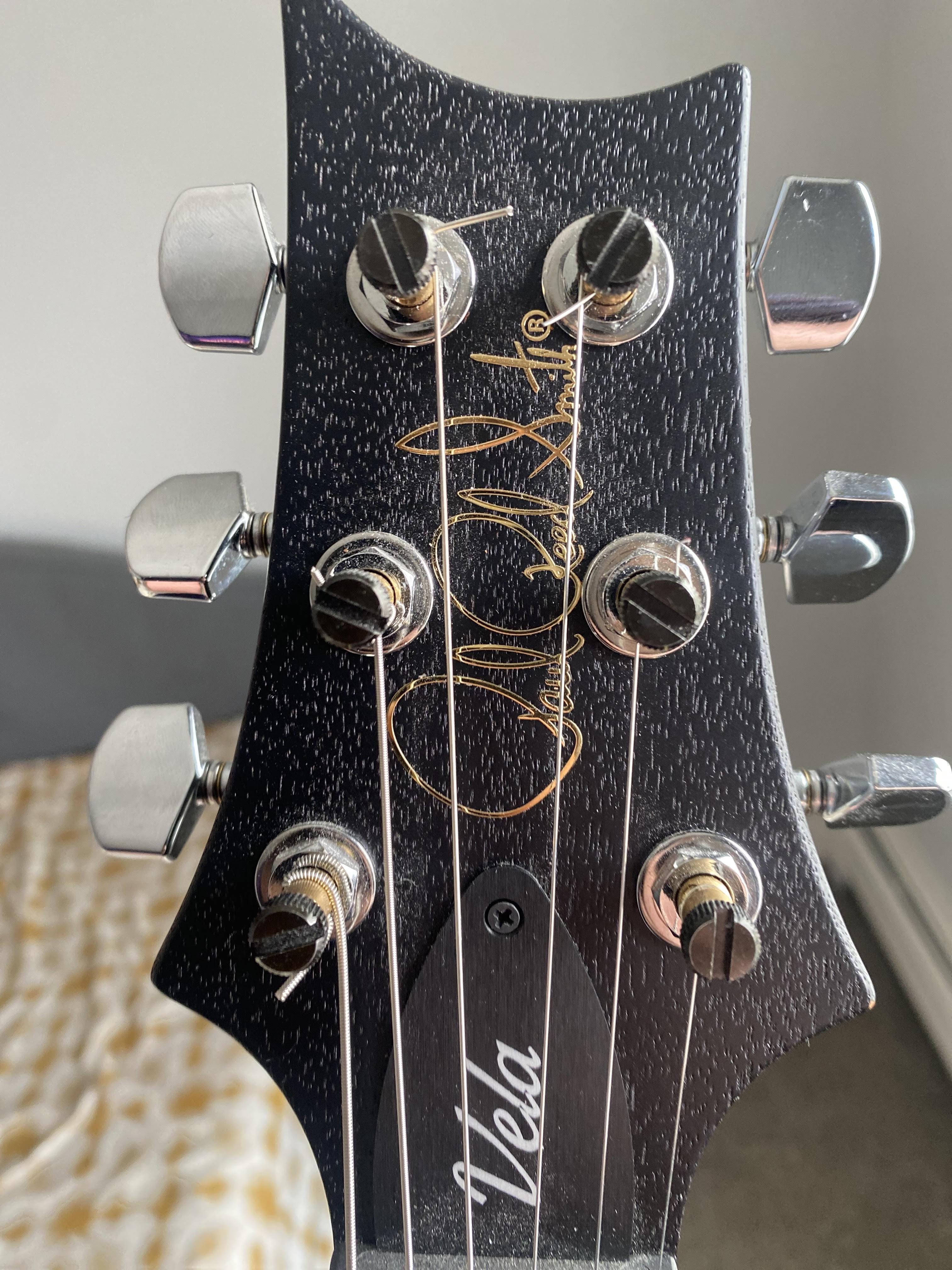
Is it a satin finish? in put jack looks kinda fugly but the back looks like a satin finish and no grain filler. the PRS satin velas are like that, I find it feels pretty nice


If that is a gloss finish, then I think mistakes were made.... :rofl
It's a Satin IIRC. At least it felt like one.

Don't know... I am all for "open" finishes in guitars, but this is damn fugly. Especially on the side in that 1st pic.
 
I love the look and feel of the no grain filler on my vela :love

unnamed-1.jpg

unnamed-2.jpg

unnamed-3.jpg


Gibson in the OP def looks a bit questionable though
That's no comparison to that Gibson in the store. That Vela looks "regelmäßig" what you could translate to "Looks the same all over". Gorgeous guitar!

On the LP you can spot "blank" wood spots, where the paint/lacquer did not sink into. Would be hard to see on that black Vela anyway, but that's not our problem. If it looks good it looks good. But that LP looks shite.
 
Some reason = cost savings/laziness.

Cost savings? Very likely

Laziness? I highly doubt it

This is an intentional planned product direction, not an accident that happened to one or two guitars. Who would it even be laziness by in a company that size? The product design teams? The product manager? The financial officer? The teams who spray the finish? Their managers? The director of their department? The QA teams? Their managers?

There are so many people involved on so many levels across a long period of planning and product lifecycle, and there is so much planning and coordination between all of them for a product to finally go out the door looking this way.

Hundreds of people would all have to be lazy in the same way for the same period of time. Which means it would actually have to be coordinated and planned, which would be more work - the opposite of laziness.

They would actually have to be highly motivated to intentionally conduct their laziness in an organized manner. There would need to be planning meetings to create the laziness project, make sure all heads of departments had a plan for how their department would handle the laziness project, and coordinate efforts between all of them. There would be disagreements over the scope of the laziness plan that would need to be settled. Budget proposals, timetables and roadmaps would need to be created and signed off on.

In short, it would be a crazy amount of extra work to be lazy.
 
This is an intentional planned product direction, not an accident that happened to one or two guitars. Who would it even be laziness by in a company that size? The product design teams? The product manager? The financial officer? The teams who spray the finish? Their managers? The director of their department? The QA teams? Their managers?

If you ever have the chance to talk to any Gibson factory workers you might be surprised how disgruntled and disillusioned they can be. Especially outside the custom shop. There can be a whole lot of fucks not given.
 
Hundreds of people would all have to be lazy in the same way for the same period of time. Which means it would actually have to be coordinated and planned, which would be more work - the opposite of laziness.
Not really, it just takes a "spray it quick and ship it" because we get paid the same either way attitude across the organization. They definitely had that during the Henry years. Don't know about the current situation.
 
If you ever have the chance to talk to any Gibson factory workers you might be surprised how disgruntled and disillusioned they can be. Especially outside the custom shop. There can be a whole lot of fucks not given.

Not really, it just takes a "spray it quick and ship it" because we get paid the same either way attitude across the organization. They definitely had that during the Henry years. Don't know about the current situation.

Every single worker in every department who worked on these over the entire lifecycle of the product were all disgruntled and disillusioned in the exact same way every single day for all the years they worked on these?

From what I’ve seen this finish is an intentional choice, not some mistake someone made on a few. Every single one I’ve seen looks exactly the same. That means this is an intentional business decision for them to go out like this.

The more likely answer is that laziness has nothing to do with it, it was either a design decision or a cost saving decision.

My guess would be someone pitched the idea “we could save $XX per unit sold if we skip the filler and use a satin finish and we’ll be able to move units faster” and someone else chimed in “get marketing to say it lets the wood breathe and call it an ‘aged’ finish to get people to accept it”


Also it can’t be both laziness and cost savings at the same time. Cost savings is an intentional business decision, laziness is not.
 
Last edited:
I've got a Logan Tele with a finish similar to the Vela. Bob Logan is somewhat known for his nitro finishes with no grain filler. I dig it.

Of course, the Tele body is Northern Ash, so the lack of grain filler looks different. I'm assuming the Gibson body is mahogany, which would react differently then the ash body.

koguoaqn4gc9dgdygj7a.jpg
 

Attachments

  • logan.jpg
    logan.jpg
    69.1 KB · Views: 47
Back
Top